About Srinagar
Srinagar is the largest city and the summer capital of the union territory of Jammu and Kashmir, India. Nestled in the Kashmir Valley on the banks of the Jhelum River, it is renowned for its picturesque lakes, houseboats, and Mughal-era gardens. The city serves as the cultural, economic, and tourism hub of the region.
Key facts
Country: India
Union territory: Jammu and Kashmir
Founded: 6th century CE (traditionally attributed to Pravarasena II)
Elevation: ~1,585 meters (5,200 ft)
Famous landmarks: Dal Lake, Nigeen Lake, Mughal Gardens, Shankaracharya Temple
Geography and climate
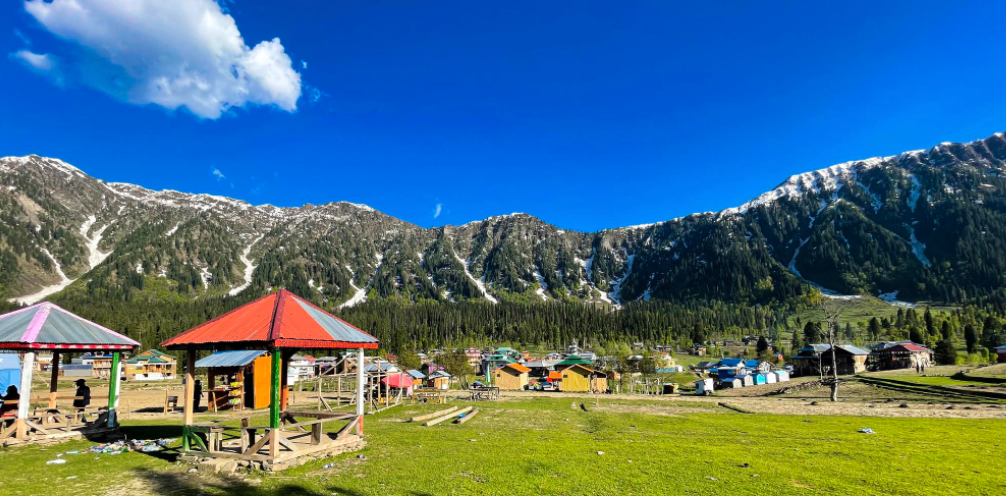
Srinagar lies in the heart of the Kashmir Valley, surrounded by the Pir Panjal Range and the Zabarwan Range. The city’s scenic Dal and Nigeen lakes feature floating gardens and houseboats that draw travelers from around the world. It experiences a humid subtropical climate, with cold, snowy winters and mild, pleasant summers.
History
The city has ancient roots dating back to the Mauryan period and has been ruled by Hindu, Buddhist, and Muslim dynasties. During the Mughal era, emperors such as Jahangir developed Srinagar’s famed gardens and architecture. In the modern era, it became a center of political activity during the partition of India and remains central to the cultural identity of Kashmir.
Culture and economy
Srinagar is noted for its handicrafts, including Pashmina shawls, carpets, and papier-mâché goods. The local cuisine, influenced by Persian and Central Asian flavors, features dishes like Rogan Josh and Yakhni. Tourism is a major economic driver, complemented by horticulture especially apple and saffron production.
Governance and significance
As the summer capital, Srinagar houses key offices of the Jammu and Kashmir administration, while Jammu serves as the winter capital. The city’s blend of natural beauty and cultural heritage makes it a symbol of Kashmir’s enduring allure and complex history.